Ethernet vs Fiber Optics: Which is Better for Home, Business, or Data Centers?
**”Ethernet Cables vs. Fiber Optic Cables: Understanding the Key Differences for Your Network Needs”**
When it comes to setting up a network connection, choosing between Ethernet cables and fiber optic cables is a common dilemma. Both options play a crucial role in data transmission, but they differ significantly in terms of technology, performance, and use cases. In this comprehensive guide, we’ll break down the key differences between Ethernet cables and fiber optic cables to help you make an informed decision for your networking needs.
**1. Transmission Medium: The Fundamental Difference**
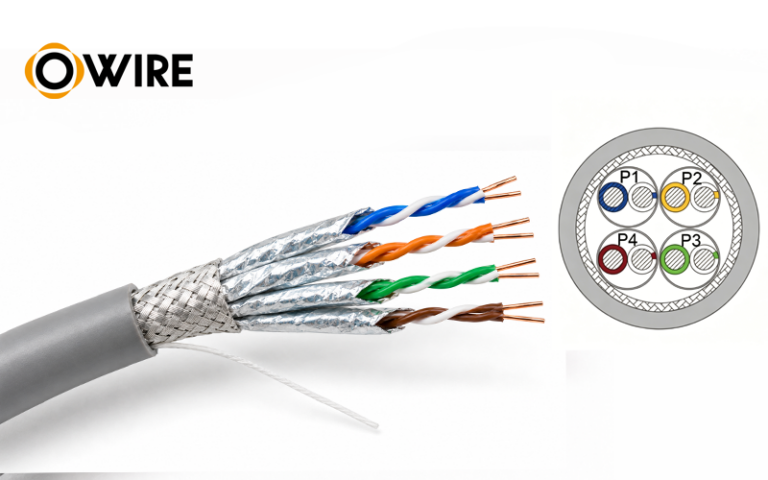
– **Ethernet Cables (Copper Wiring):** Ethernet cables, also known as network cables or patch cables, use copper wires to transmit electrical signals. Common types include Cat5e, Cat6, Cat6a, and Cat7 cables. The data is transmitted as electrical pulses through these copper conductors.
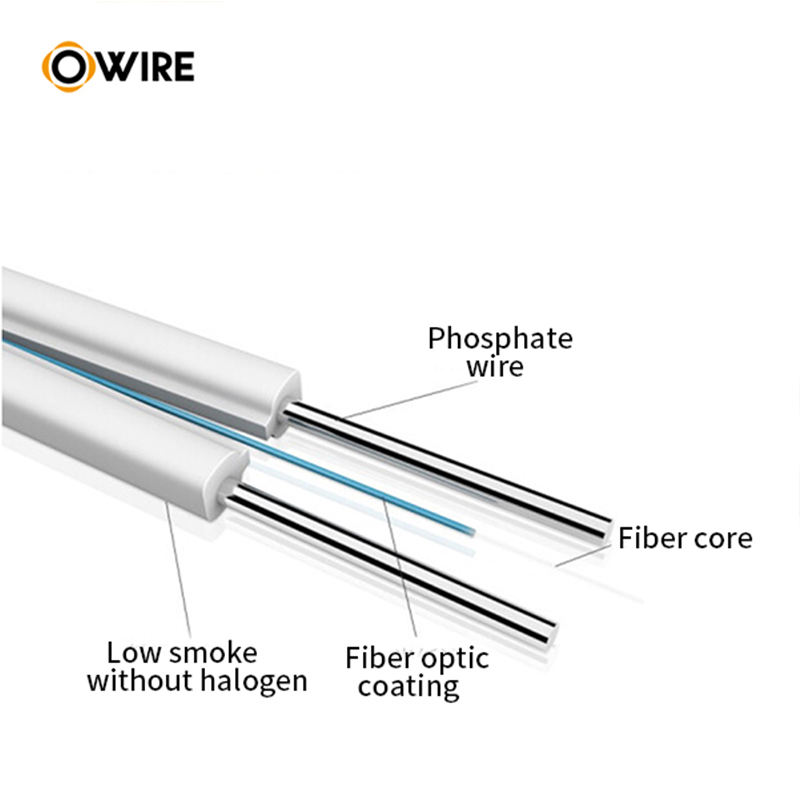
– **Fiber Optic Cables (Glass/Optical Fibers):** Fiber optic cables, on the other hand, utilize thin strands of glass or plastic fibers to transmit data as pulses of light. These cables convert electrical signals into light signals using LED or laser technology, ensuring faster and more reliable transmission.
**2. Speed and Bandwidth: Fiber Takes the Lead**
– **Ethernet Cables:** While modern Ethernet cables (e.g., Cat6a/Cat7) can support speeds up to 10 Gbps over short distances (usually ≤ 100 meters), their performance is limited by factors like cable quality and length.
– **Fiber Optic Cables:** Fiber optic cables offer significantly higher bandwidth and speed capabilities. They can easily support speeds of 40 Gbps, 100 Gbps, or even higher, with virtually unlimited bandwidth potential. Fiber is ideal for data-intensive applications like cloud computing, high-definition video streaming, and large-scale data centers.
**3. Transmission Distance: Fiber Excels Over Long Runs**
– **Ethernet Cables:** The maximum effective distance for Ethernet cables is typically around 100 meters (328 feet). Beyond this, signal degradation (attenuation) occurs, requiring repeaters or switches to extend the connection.
– **Fiber Optic Cables:** Fiber optic cables can transmit data over much longer distances with minimal signal loss. Depending on the type (single-mode or multi-mode), fiber can stretch up to several kilometers without signal boosters. This makes fiber perfect for connecting buildings, campuses, or even cities.
**4. Immunity to Interference**
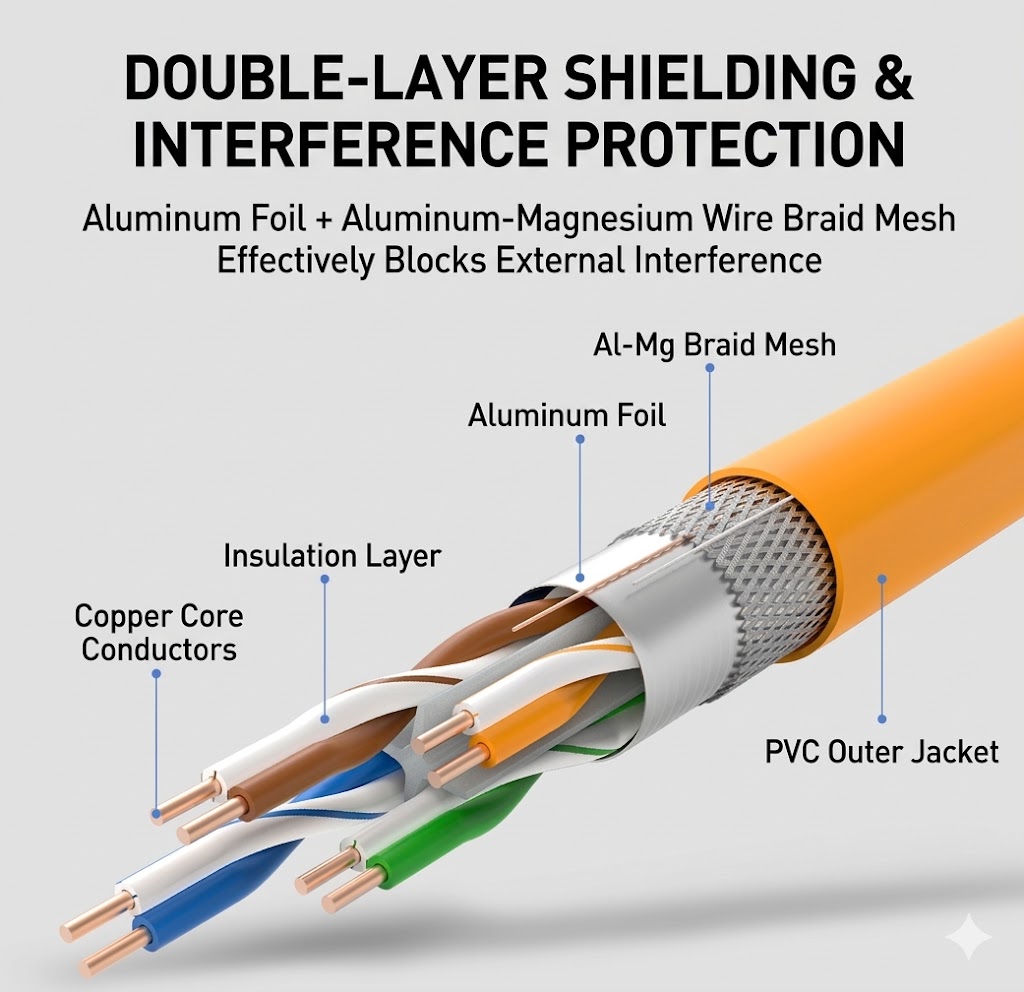
– **Ethernet Cables:** Copper cables are susceptible to electromagnetic interference (EMI) from nearby electronic devices, power lines, or radio frequencies. This can lead to signal degradation, data corruption, or slower speeds.
– **Fiber Optic Cables:** Fiber cables are immune to EMI since they carry light instead of electrical signals. They are ideal for environments with high interference, such as industrial settings, hospitals, or areas with heavy electrical equipment.
**5. Cost and Installation Considerations**
– **Ethernet Cables:** Ethernet cables are generally more affordable and easier to install. They require standard connectors (e.g., RJ45) and are widely available. Short-run installations, like within offices or homes, often favor Ethernet.
– **Fiber Optic Cables:** Fiber cables are more expensive initially due to the cost of cables and specialized equipment (e.g., fiber optic transceivers). Installation can also be more complex, requiring skilled technicians. However, fiber’s long-term cost-effectiveness becomes evident in large-scale deployments over long distances.
**6. Durability and Environmental Factors**
– **Ethernet Cables:** Copper cables are more susceptible to physical damage, corrosion (in humid environments), and bending limitations. Poor cable management can affect performance.
– **Fiber Optic Cables:** Fiber cables are more rugged and resistant to environmental factors. They can withstand bending (within limits), temperature extremes, moisture, and physical stress, making them suitable for outdoor installations and harsh environments.
**7. Use Cases: When to Choose Ethernet vs. Fiber**
– **Ethernet Cables:** Ideal for short-distance connections within buildings (e.g., home networks, office LANs), cost-sensitive projects, or scenarios where lower speeds suffice.
– **Fiber Optic Cables:** Essential for high-speed, long-distance connections (e.g., telecommunications, data centers, metropolitan networks), data-heavy applications, and environments with high EMI risks.
**Conclusion**
The choice between Ethernet cables and fiber optic cables depends on your specific requirements. Ethernet offers cost-effectiveness and simplicity for local networks, while fiber excels in speed, distance, and immunity to interference. Understanding these differences ensures you select the right technology to meet your current and future networking demands.
**FAQs (Add SEO Value):**
1. **Can I mix Ethernet and fiber cables in my network?**
Yes, but you’ll need media converters to bridge the connection between copper and fiber segments.
2. **Is fiber future-proof for upcoming technologies?**
Absolutely. Fiber’s high bandwidth capacity easily accommodates emerging technologies like 5G and IoT.
3. **Are fiber optic cables fragile?**
While glass fibers are delicate, modern fiber cables are reinforced with protective coatings, making them durable for most installations.
4. **Do I need fiber for a small home office?**
Likely not. Ethernet cables (e.g., Cat6 or Cat7) are sufficient for typical home office speeds and distances.